What You Need to Know About Custom Window Seats
Custom window seats are built-in bench structures fitted beneath or around a window, combining comfortable seating with storage and architectural detail. Here is a quick overview of what they involve:
| Feature | Details |
|---|---|
| Standard dimensions | 18 inches deep, 18 inches high |
| Storage options | Pull-out drawers, lift-top lids, open cubbies, cabinet doors |
| Common materials | Douglas fir, pine, birch plywood |
| Finish options | Stained wood, painted satin, furniture-grade coatings |
| Best rooms | Living rooms, bedrooms, kitchens, dining nooks, home offices |
| Key benefit | Adds seating, storage, and property value without consuming floor space |
A well-built window seat does more than add a place to sit. It turns an underused wall or bay window into a functional, intentional part of your home. Done right, it looks like it was always there.
Whether you are planning a full built-in with drawers and paneling or a simpler bench with a cushion on top, the decisions around materials, dimensions, and finishing will determine how long it lasts and how good it looks.
I’m Todd Cartmel, and since founding The Painting Edge in 1996, I have finished and coated countless custom window seats across Carmel, Indiana, helping homeowners achieve furniture-grade results that hold up for decades. In this guide, I will walk you through every step of designing and finishing custom window seats the right way.
Functional Advantages of Built-In Seating
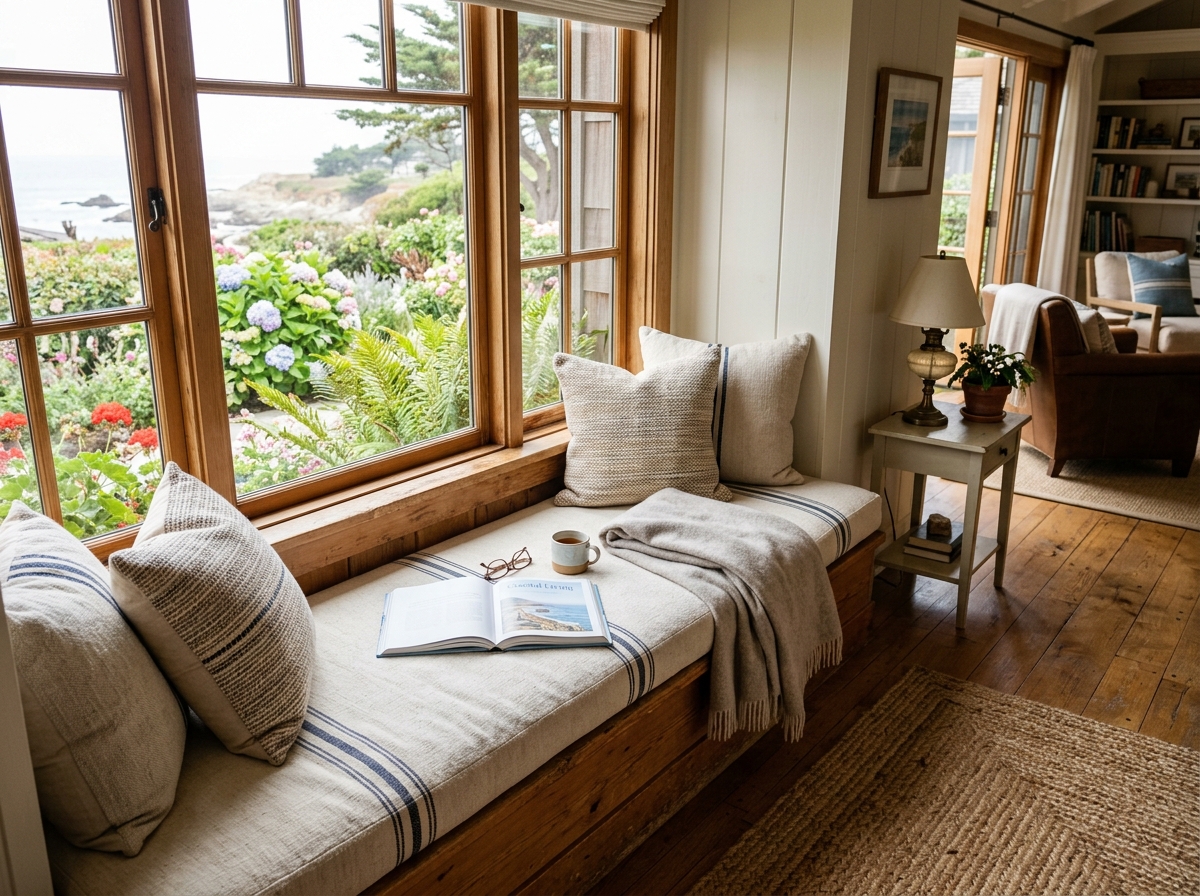
In the high-end homes of Carmel and Hamilton County, space is often abundant, but functionality is what truly defines a well-designed room. Installing custom window seats is a strategic move for any property owner looking to maximize their square footage. One of the primary benefits is the addition of significant seating without the clutter of extra chairs or bulky sofas. In a living room or family room, this creates a streamlined look that feels intentional rather than crowded.
Beyond mere seating, these installations serve as a personal retreat. Whether it is a quiet reading nook in a bedroom or a cozy spot for puppies to watch the world go by, a window seat provides a dedicated area for relaxation. From a financial perspective, high-quality built-ins are a proven way to increase property value. Appraisers and buyers in the Midwest look for these custom touches that suggest a home has been meticulously maintained and upgraded.
Functionality is further enhanced through integrated storage. We often see homeowners utilize the space beneath the seat for everything from seasonal linens to children’s toys. By choosing professional carpentry services, you ensure that these additions blend seamlessly with your home’s existing architecture, appearing as an original feature rather than an afterthought. This level of architectural integration is a hallmark of Carmel property maintenance and high-end design.
Engineering and Dimensions for Custom Window Seats
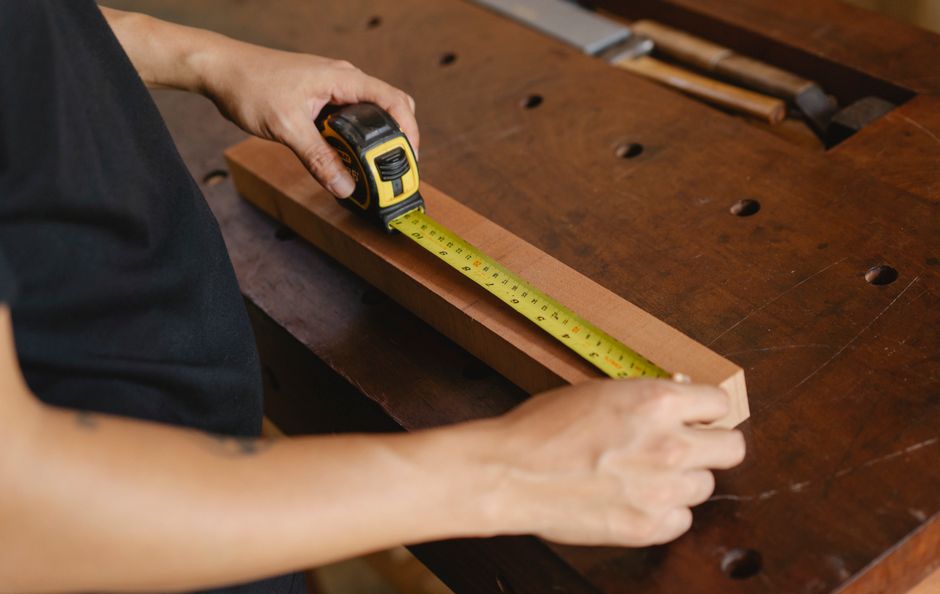
When we talk about custom window seats, the difference between a bench that feels like a “perch” and one that feels like a “seat” comes down to the math. For the majority of adults, the industry standard for comfort is a seat height of 18 inches and a seat depth of 18 inches. This allows your feet to rest naturally on the floor while providing enough surface area for your legs. However, if you plan to use thick, sofa-style cushions, you must account for that compression and adjust the wooden frame height accordingly.
Structural integrity is paramount, especially for larger spans. We recommend solid frame construction using modular boxes to ensure the unit can support multiple adults simultaneously. In many Hamilton County homes, windows are located directly above HVAC vents. A common mistake is simply covering these up. Professional scientific research on seating comfort and engineering suggests redirecting the airflow through the toe kick of the bench. This maintains your home’s climate control while allowing the built-in to sit flush against the wall.
Integration with existing features is what separates a professional job from a basic one. This involves “wrapping” the baseboards around the new unit and ensuring the window seat trim matches the existing window casing. For bay windows with non-standard angles, the construction often requires four modular boxes (two angled and two rectangular) to achieve a precise, gap-free fit. This level of precision ensures the installation meets the high standards expected in Zionsville and Fishers homes.
Professional Finishing and Material Standards
The longevity of custom window seats depends heavily on the materials chosen and the quality of the finish. For the seat tops and visible trim, we often utilize Douglas fir or pine for their durability and grain patterns. For the base and internal structure, birch plywood is a superior choice over standard particle board because it resists warping and holds fasteners more securely over time.
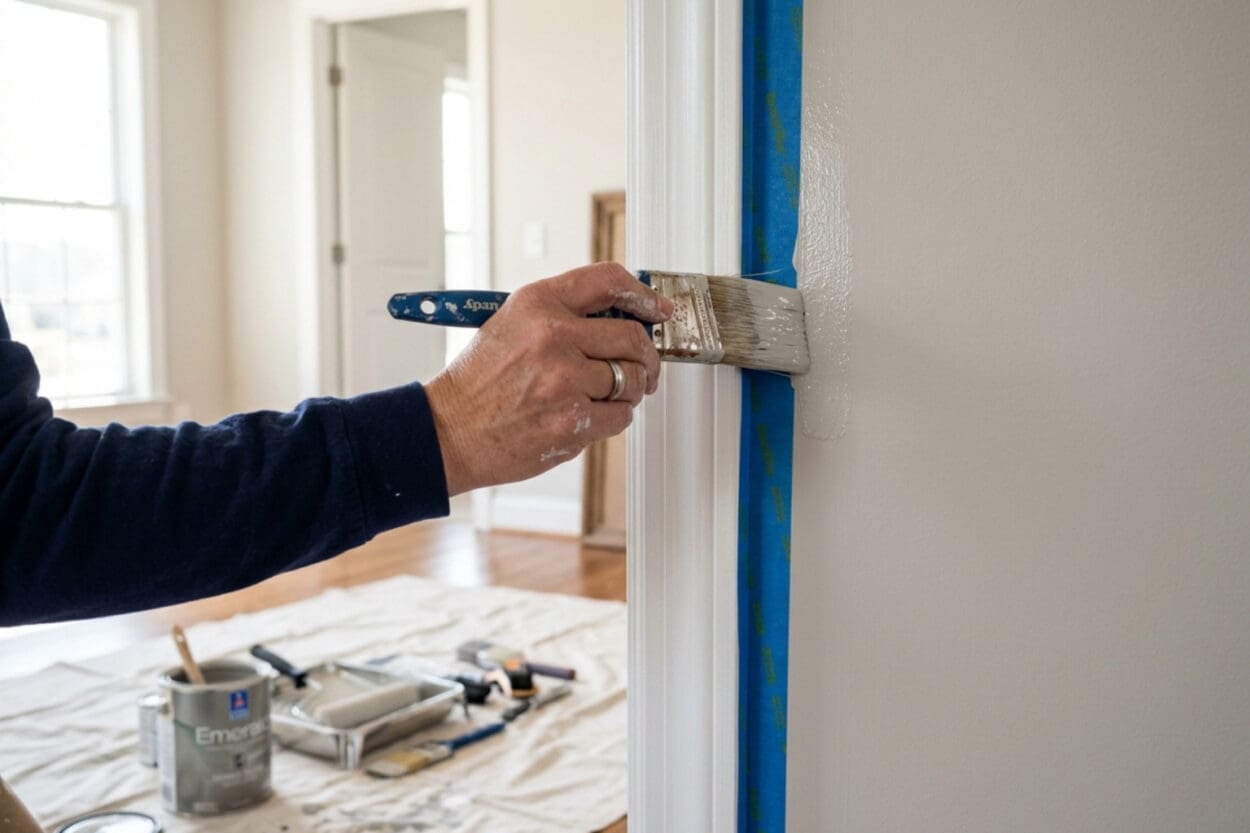
Once the carpentry is complete, the finishing process begins. This is where our 25 years of experience at The Painting Edge really shines. Whether you prefer interior staining to highlight the natural wood or a clean, painted look, the application must be furniture-grade. We frequently use Benjamin Moore Satin Impervo in shades like Cloud White to provide a low-lustre, durable finish that resists scuffs and cleaning chemicals.
For stained projects, we recommend Minwax Polyurethane in a clear satin finish. Applying at least three coats ensures the wood is protected from the UV rays streaming through the window, which can otherwise cause fading or cracking. If the window seat is part of a kitchen banquette, we apply kitchen cabinet coating techniques to ensure the surface can withstand daily use, food spills, and heavy traffic. Our interior painting standards require meticulous sanding between every coat to achieve a smooth-to-the-touch result that feels like high-end furniture.
Storage and Cushion Selection
Storage Options for Custom Window Seats
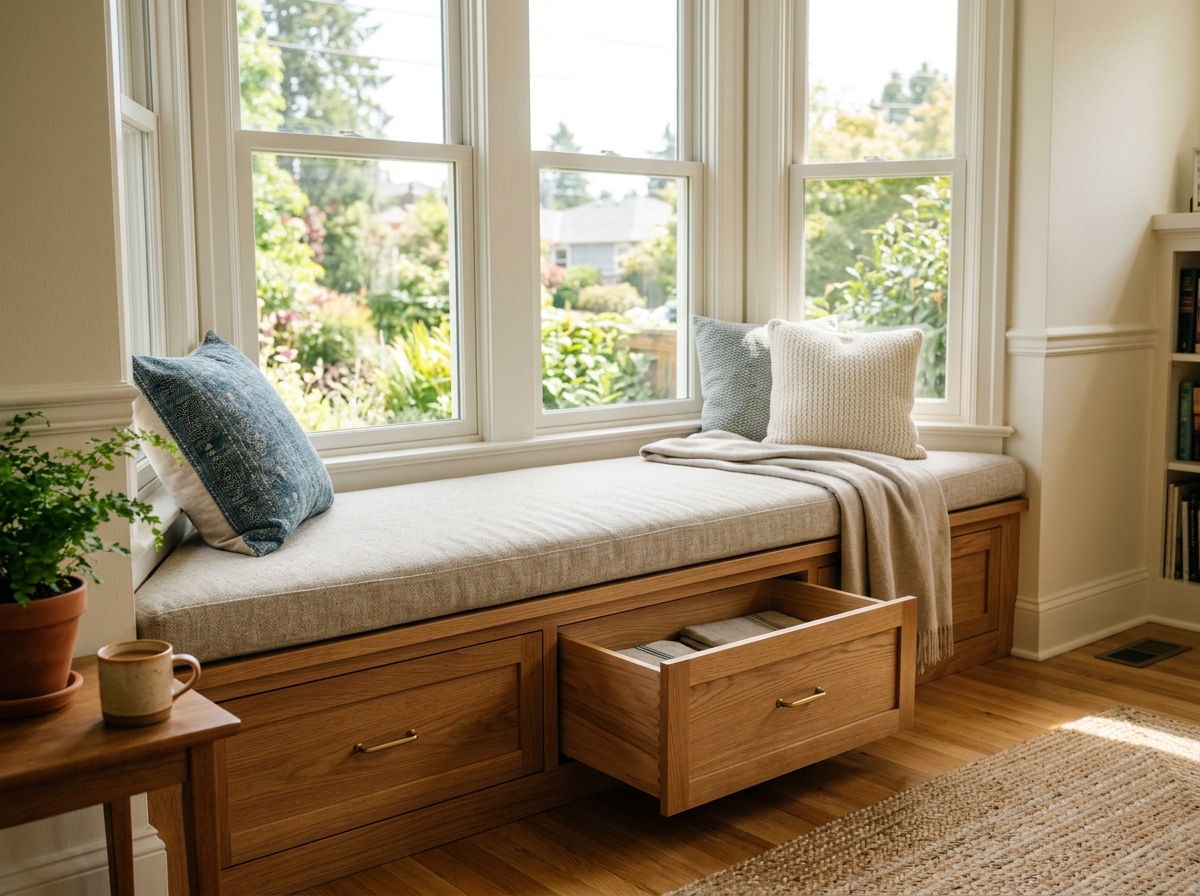
Storage is often the driving force behind the decision to install custom window seats. There are several ways to access the space inside the bench, each with its own pros and cons. Pull-out drawers with soft-close hinges are the most popular choice for ease of access, especially for heavy items like blankets or linens. Alternatively, flip-open seats with lift-stay lids allow you to store bulky items that might not fit in a drawer. For a more decorative look, open cubbies or cabinets with recessed panels can be used to display books or baskets. You can find more info about cabinetry services to see how these elements can be customized to fit your specific storage needs.
Selecting High Quality Cushions for Custom Window Seats
A window seat is only as good as its cushion. For maximum comfort, we suggest a 4 to 5-inch thick foam. High-density foam is the standard for longevity, as it won’t “bottom out” after a few months of use. For homes with pets or children, Sunbrella fabric is an excellent choice due to its stain resistance and UV protection. If you are looking for a more formal aesthetic, velvet or a “French mattress” style with tufted detailing can elevate the entire room. Reliable sources for these custom pieces include online custom cushion providers or specialized artisans on popular marketplaces. Always ensure the cushion fits snugly against the back and sides of the seat to prevent sliding.
Frequently Asked Questions
How do you measure for a custom window seat?
Accuracy is everything. Start by measuring the width of the window opening and the total length of the wall where the seat will sit. Measure the height from the floor to the bottom of the windowsill; your finished seat (including the cushion) should ideally sit just below or flush with the sill. If you have a bay window, you will need to measure the angles of the side walls. We always recommend measuring at three different points (top, middle, and bottom) because walls in even the finest Carmel homes are rarely perfectly plumb.
What is the typical cost for a custom window seat?
The cost is influenced by several variables: the complexity of the design, the materials used, and the type of storage included. A simple bench with open cubbies will be less intensive than a bay window seat featuring soft-close drawers and raised paneling. Custom paint colors or specialized stains also impact the final investment. Because every project we do at The Painting Edge is bespoke, we provide detailed estimates after a physical consultation to ensure all architectural requirements are met.
How do you maintain a custom window seat finish?
To ensure your custom window seats last a lifetime, regular maintenance is key. For painted surfaces, wipe them down with a soft, damp microfiber cloth and a mild detergent. Avoid abrasive cleaners that can dull the satin finish. For stained wood, a high-quality furniture polish can help maintain the luster. If the seat is in a high-sun area, consider using window films or curtains to protect the wood and fabric from UV damage. If you ever notice small nicks or scratches, they should be touched up immediately to prevent moisture from getting under the coating.
Conclusion
At The Painting Edge, we understand that a custom window seat is an investment in your home’s comfort and value. For over 25 years, we have provided the Carmel, Indiana area with high-quality craftsmanship that stands the test of time. From the initial carpentry work to the final furniture-grade coating, our team is committed to excellence in every detail. If you are ready to transform an unused corner of your home into a functional masterpiece, we have the local reputation and professional expertise to make it happen. Our no-nonsense approach ensures that you get a result that looks beautiful and functions perfectly for decades to come.