Drywall Repair in Carmel
Drywall repair matters because interior painting only looks right when the surface underneath is sound and smooth. In Carmel homes, we regularly see nail holes, settling cracks, water damage, and impact holes that have to be handled correctly before any finish coat goes on.
Here is the practical breakdown:
| Damage Type | Size | Method |
|---|---|---|
| Nail holes, dents, small cracks | Under 1/2 inch | Fill, sand, prime, paint |
| Medium holes | 1/2 to 6 inches | Reinforced patch, compound, sand, prime |
| Large holes | Over 6 inches | Cut out damaged area, install backing, patch, finish |
| Water damage | Any size | Find source, replace soft material, seal stains, repaint |
| Popped nails, corner bead | Varies | Refasten, reinforce, finish smooth |
If the repair is not done right, the paint will not hide it. A visible patch, flashing, or recurring crack usually comes back to poor prep, the wrong materials, or rushing the finish work.
Professional drywall repair is a necessary part of getting walls and ceilings ready for a proper interior finish. For nearly three decades, high-quality painting in Carmel has relied on expert surface preparation. Every repair is in service of the final paint result. That is the standard if you want the finished room to hold up and look clean.
1. Types of Drywall Damage
Drywall damage has to be identified correctly before painting starts. In Carmel homes, the repair method depends on whether the issue is cosmetic, structural, or moisture-related.
- Nail holes: Small punctures left from hanging artwork or wall fixtures.
- Dents and dings: Surface damage caused by furniture, doors, or everyday traffic.
- Cracks: Common around doors, windows, and ceiling lines where seasonal movement shows up first.
- Popped nails: Raised fasteners caused by framing movement or fastener failure beneath the surface.
- Medium holes: Damage that needs reinforcement before the wall can be finished and painted.
- Large holes: Openings that require backing, new drywall, taping, and multiple finish coats.
- Water damage: Stains, bubbling paint, soft drywall, or failed paper facing caused by leaks or moisture intrusion.
- Corner bead damage: Damaged outside corners that need to be reset or rebuilt before painting.
In a high-end interior, even minor drywall defects show up once light hits fresh paint. That is why proper wall repair is part of professional painting work, not a separate afterthought.
2. Materials and Tools
Professional drywall repair calls for the right materials and the right process. For painting work in Carmel homes, the goal is a stable repair that finishes flat, takes primer evenly, and disappears under paint.
Materials
Small surface defects may only need a light filler. Larger repairs require joint compound, proper tape, matching drywall thickness, and stain-blocking primer where needed. For structural repairs, backing material is also required.
Tools
A proper repair setup typically includes a utility knife, a putty knife, a sanding block, a drywall saw, and patch materials suited to the size of the opening. The finish still depends on proper mud work, sanding, priming, and paint prep. There are no shortcuts to a surface that will look right under a professional paint finish.

3. Small Drywall Repairs
Small drywall damage still needs to be handled correctly if the wall is going to look right after painting. Nail holes, shallow dents, and hairline cracks are common in Carmel homes, especially before a full interior repaint.
The process is straightforward. Remove loose material, fill the defect fully, let it dry, sand it smooth, and prime it before paint. Cracks need special attention because a quick surface fill often fails. If movement caused the crack in the first place, the repair has to account for that or it will show up again.
This is where professional painting crews separate themselves. The patch itself is only part of the job. What matters is whether the wall finishes uniformly once the primer and topcoat go on. That uniform finish is the whole point of the repair.
4. Medium Hole Repairs
Medium holes need reinforcement before they can be finished for paint. In most cases, that means using a patch system or a drywall insert that gives the compound something solid to bridge.
Patch Kit Method
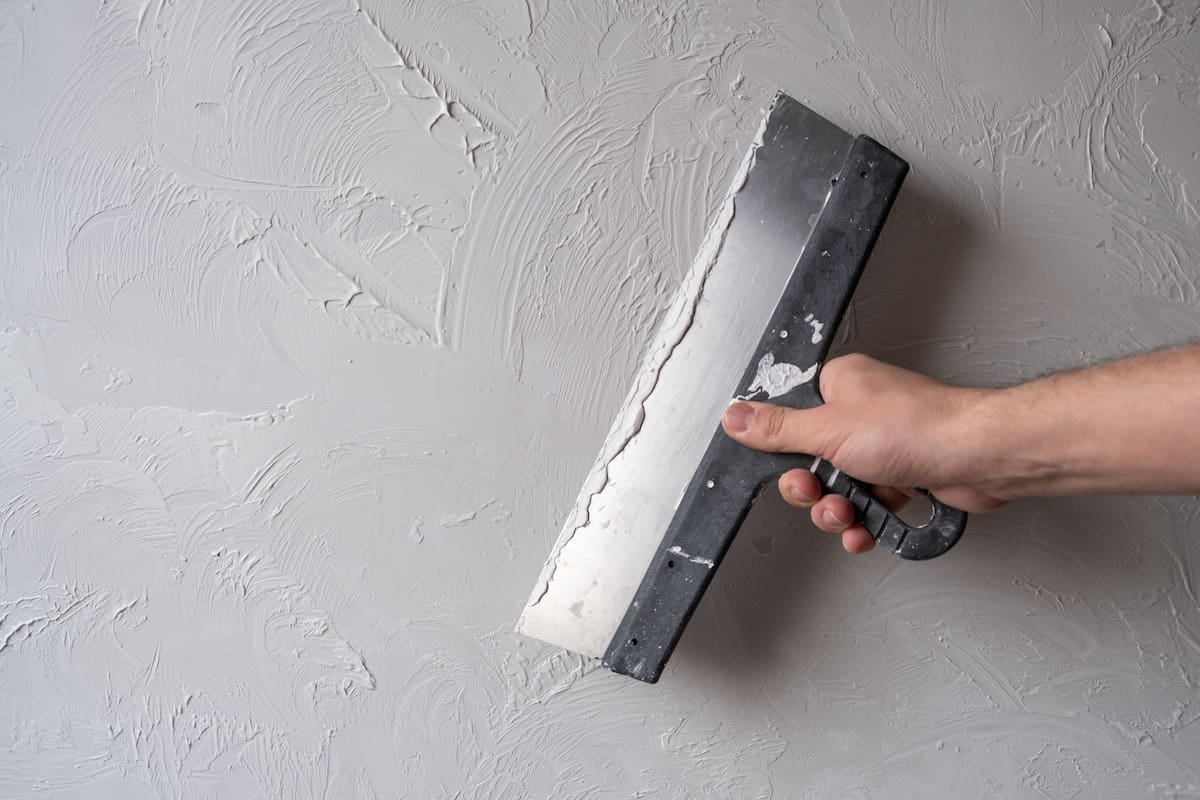
A mesh patch can work for clean wall damage in the right size range. It has to be covered with controlled, even coats of compound and feathered wide enough that the repair does not telegraph through the final paint finish.
California Patch
For certain openings, a California patch gives a cleaner repair profile and reduces buildup. It is a sound method when used correctly, especially when the goal is a flatter surface that will disappear under primer and paint.
What matters most is not the name of the method. It is whether the finished wall stays flat, stable, and invisible after the painting is complete.
5. Large Drywall Repairs
Large holes require full replacement work, not just surface filling. If the damaged area is not cut back cleanly and supported properly, the patch will move, crack, or show through the paint.
- Square the opening: Cut the damaged area into a clean shape that can accept a proper patch.
- Install backing: Add wood backing or other solid support behind the existing drywall.
- Fit new drywall: Cut and fasten a matching drywall patch so it sits flush with the surrounding surface.
- Tape and finish: Reinforce the seams, apply compound in stages, and sand the repair flat so it is ready for primer and paint.
In higher-end homes in Carmel, this part of the process has to be done carefully. Large wall repairs are easy to spot later if the finish work is rushed.

6. Mudding and Sanding
The finish work determines whether a drywall repair disappears or keeps showing through the paint. That comes down to controlled coats of compound, proper drying time, and careful sanding.
- First coat: Cover tape or seams and establish a flat base.
- Second and third coats: Widen the repair area and feather the edges so the transition is gradual.
- Drying time: Compound has to dry fully before the next step. Rushing this causes shrinkage, ridges, and paint failure.
- Sanding: Sand only enough to flatten the surface and remove edges. Over-sanding damages the face paper and creates more finish problems.
After nearly thirty years of painting and surface preparation in Carmel, we can say this plainly. Most bad-looking wall repairs are not caused by the patch itself. They are caused by poor finishing before primer and paint.
7. Wall Texture Matching
If the surrounding wall has texture, the repair has to match it before painting. A smooth patch in a textured room will stand out immediately.
- Orange peel and knockdown: These textures have to be matched in pattern and scale before primer and finish paint go on.
- Hand-applied texture: Some repairs need custom texture work to blend with the existing surface.
Texture matching is part of finish preparation. In Carmel homes with detailed interior work and strong natural light, even a well-patched wall can still look unfinished if the texture is off.
8. Common Problems
Most visible drywall repairs come from the same few mistakes.
- Over-sanding: This exposes the repair and damages the surrounding surface.
- Skipping primer: Drywall compound absorbs paint differently and causes flashing if it is not sealed first.
- Heavy coats of mud: Thick applications shrink, crack, and leave humps in the wall.
- Ignoring what is behind the wall: Electrical lines and plumbing have to be considered before cutting into any damaged section.
From a painting standpoint, these are not minor issues. They directly affect how the finished wall will look.
9. Professional Repair and Painting
Drywall repair is often treated like a small side task, but in practice it is part of the paint preparation process. The larger the damage, the more the final result depends on proper finishing, priming, and repainting.
| Repair Type | Scope | Professional Consideration |
|---|---|---|
| Small holes and dents | Surface repair | Needs proper prep so touch-up paint does not flash |
| Large holes | Section replacement | Requires backing, finishing, and repainting for uniform appearance |
| Water damage | Material failure | Requires source correction, replacement, sealing, and repainting |
When professional help makes sense:
- Multiple damaged areas: Wall repairs across several rooms affect the overall paint finish and consistency.
- Water damage: The cause has to be addressed before the wall can be restored and painted.
- Ceiling repairs: These are harder to finish cleanly and usually more noticeable under light.
- High-end interiors: Smooth walls, darker colors, satin finishes, and sharp lighting expose every defect.
Professional crews have handled these situations across Carmel for close to thirty years. The repair work is always in service of the painting. For property owners in Carmel, the main question is not whether the hole can be filled. It is whether the wall will still look right after the painting is done.
Frequently Asked Questions
What is the difference between spackle and joint compound?
Spackle is generally used for minor surface defects. Joint compound is used for broader finish work, taped seams, and repairs that need a stronger, more uniform surface before painting.
How do I know if a popped nail needs professional attention?
A popped fastener should be secured properly so the drywall is held tight to the framing again. After that, the area can be finished smooth, primed, and painted. If you are seeing multiple pops across a wall or ceiling, that usually points to a broader issue worth having a professional evaluate.
Can water-damaged drywall be repaired?
If the drywall is soft, stained through, or mold-damaged, replacement is usually the correct approach. If the material is still sound, the stain can often be sealed with an oil-based primer and then finished for paint.
Conclusion
Drywall damage repair is a fundamental part of maintaining the value and appearance of your home. The quality of that repair is the foundation for your entire interior paint finish. A poor patch will ruin even the best paint. For property owners in Carmel who want a professional result, having experienced painters handle the full process from repair through final coat is the most reliable path to walls that look right and stay that way.
Whether you need surface prep before a repaint or a full room Drywall Hang & Finish, professional craftsmanship brings nearly three decades of experience to every project in Carmel and the surrounding Hamilton County area. A great paint job starts with a perfect surface.
Ready to restore your walls? Contact us for a Professional Estimate
Related Reading: